Professional Flooring Installation Tools for Accurate Results
Successful flooring installation depends on more than the flooring material itself. Accurate measurements, proper preparation, precise layout and the right installation tools all influence the quality and durability of the finished floor. Professional flooring installation tools help installers work faster, reduce mistakes and maintain consistent results across residential and commercial projects.
The tools required can vary significantly depending on the material and the stage of installation. Wood flooring and concrete substrates often require careful moisture testing before installation begins, while tile and other precision layouts benefit from accurate reference lines and leveling equipment. Grouting and finishing require another group of specialized tools designed to provide clean, consistent results.
Choose Flooring Tools by Installation Task
Rather than selecting tools only by brand or price, it is usually more useful to consider the specific task they need to perform. Some tools are designed for inspection and preparation, while others are used during layout, installation or finishing.
Moisture Testing and Subfloor Inspection
Moisture conditions can have a major impact on flooring performance. Excess moisture in concrete, wood or other building materials may contribute to adhesive problems, dimensional movement, mold development or premature flooring failure.
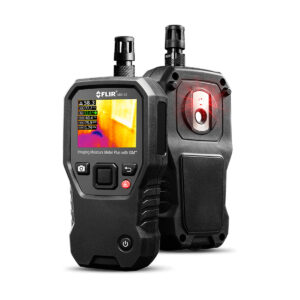
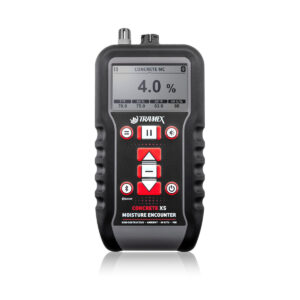
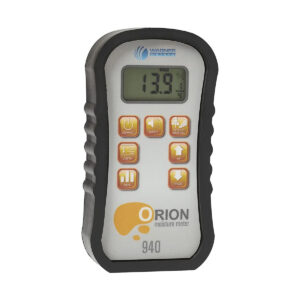
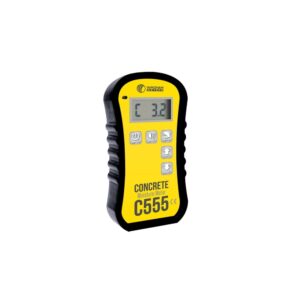
Moisture meters allow flooring professionals to evaluate conditions before installation and during inspections. Depending on the application, available options include pin meters, pinless meters, concrete moisture meters and multi-function instruments that can also measure ambient temperature and relative humidity.
When comparing moisture testing tools, consider the materials being measured, measurement depth, required accuracy and whether additional environmental readings are needed. Professional models may also provide data logging, multiple measurement modes or thermal imaging to help identify areas that require further investigation.
Laser Levels and Flooring Layout Tools
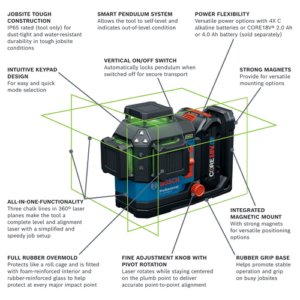
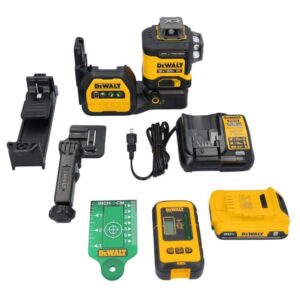
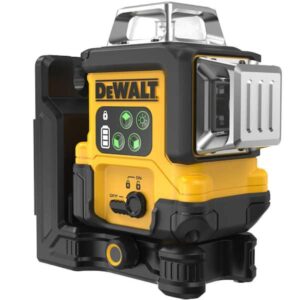
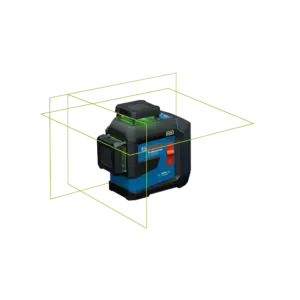
Accurate layout is essential when flooring patterns, tile lines, transitions or architectural elements need to remain properly aligned. Laser levels provide clear reference lines across floors, walls and entire rooms, reducing the need for repeated manual measurements.
Compact cross-line lasers are useful for straightforward alignment work, while 360-degree and three-plane laser levels provide reference lines around larger spaces from a single setup position. Professional models may also offer green beams for improved visibility, detector compatibility for extended working ranges, rechargeable batteries and higher levels of dust and water resistance.
For flooring installers, the most appropriate laser level depends on room size, required layout complexity and whether the tool will primarily be used indoors or across larger construction areas.
Grout Tools for Tile Installation and Finishing
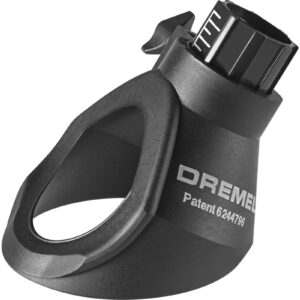
Grout installation requires tools that can distribute material evenly, work it effectively into joints and remove excess grout without damaging the finished surface. The correct grout tools can improve both productivity and the appearance of the completed installation.
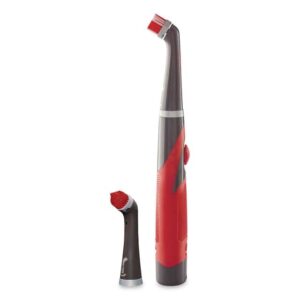
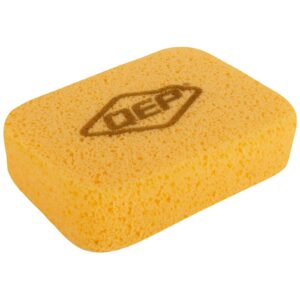
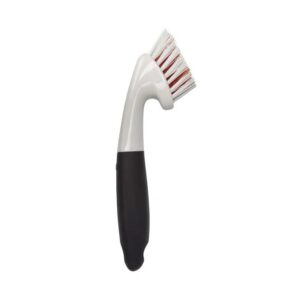
Grout floats, sponges, cleaning systems and specialist finishing tools are available for different tile types, grout formulations and project sizes. Professional installers should consider handle comfort, float material, edge design, durability and ease of cleaning when selecting tools for repeated use.
What to Look for When Choosing Flooring Installation Tools
Accuracy and Consistency
Measurement and layout tools should provide repeatable results. Small errors at the beginning of an installation can become much more noticeable across a large floor area, particularly with tile patterns, long plank flooring or transitions between rooms. Accuracy specifications therefore matter most for moisture meters, laser levels and other precision instruments.
Durability for Jobsite Use
Professional flooring tools are regularly exposed to dust, moisture, impacts and transportation between jobs. Rugged housings, protected controls and appropriate IP ratings can be important considerations for electronic tools. Hand tools should use materials capable of maintaining their shape and working edge through repeated use.
Power Source and Runtime
Battery-powered tools may use standard alkaline batteries, rechargeable internal batteries or manufacturer-specific power-tool battery platforms. Rechargeable systems can reduce operating costs, while replaceable batteries can be useful when continuous runtime is more important than charging convenience.
For professionals already using a particular battery ecosystem, compatibility with existing batteries and chargers may also influence the purchasing decision.
Match the Tool to the Material and Application
A tool that performs well for one flooring material may not be appropriate for another. Moisture measurement methods differ between wood and concrete, while installation tools designed for ceramic tile may not be suitable for resilient flooring, hardwood or other materials.
Before choosing a product, check the manufacturer's intended applications and compare them with the flooring material, substrate and working conditions of the project.
Building a Reliable Flooring Installation Toolkit
A professional toolkit usually develops around the type of flooring work performed most frequently. Contractors working with wood flooring may place greater emphasis on moisture measurement and subfloor inspection, while tile installers may require a broader collection of layout, leveling, grouting and finishing tools.
It is not always necessary to choose the most expensive product in every category. A better approach is to invest in higher-quality equipment where accuracy, reliability or frequent use directly affects the finished installation, while selecting simpler tools for occasional or less demanding tasks.
Our flooring installation tool categories are organized to make it easier to compare products by application, specifications and professional use. Explore moisture meters, laser levels and grout tools to find equipment suited to inspection, layout, installation and finishing work.