How to Choose the Right Grout Tool
The best grout tool depends on what stage of the tile job you are working on. Applying new grout requires a different tool from removing old grout, while routine cleaning calls for brushes and scrubbers rather than cutting or scraping tools.
For new tile installations, a grout float is the primary application tool. For repairs and regrouting, grout saws, carbide scrapers and powered removal attachments can help clear old material from the joints. After installation, grout sponges are used during cleanup, while manual and powered grout brushes are more appropriate for ongoing maintenance.
Grout Floats for Tile Installation
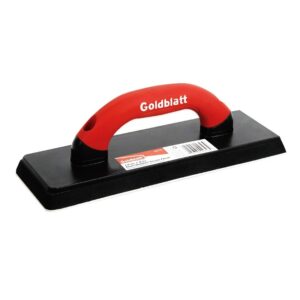
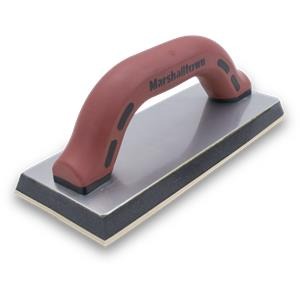
A grout float is used to spread grout across the tile surface and force it into the joints. Most general-purpose floats use a rubber or gum-rubber pad with enough flexibility to move over the tile while still applying pressure to the grout line.
Larger floats can cover floor areas quickly, while compact floats are easier to control on walls, backsplashes and smaller installations. Handle comfort also matters because grout is normally worked diagonally across the joints with repeated pressure.
Rounded corners can help reduce accidental gouging of fresh grout, while square corners can make it easier to pack material into edges and 90-degree transitions. The ideal float depends on the size of the tiled area, the grout type and how much control the installer needs.
Grout Removal Tools
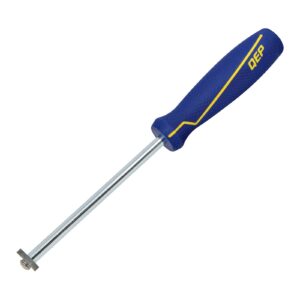
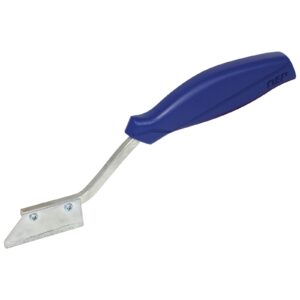
Old, cracked or contaminated grout often needs to be removed before new grout can be installed. Grout removal tools range from simple hand saws and carbide scrapers to powered attachments used with rotary or oscillating tools.
Manual tools are slower but provide direct control. They are useful for localized repairs, narrow joints and areas where protecting the tile edge is more important than maximum speed. A hand grout saw can also be a practical choice when only a few joints need to be opened.
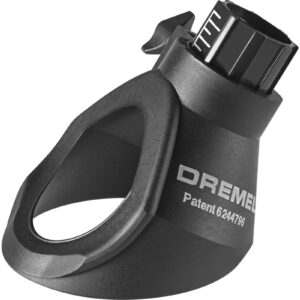
Powered grout removal tools can make larger jobs substantially faster. Rotary attachments such as the Dremel 568 use a guided carbide bit to follow the grout joint, while compatible power tools provide the cutting action. Even with a guide, users should work carefully because the cutting bit can damage tile edges if it leaves the joint.
Manual vs Powered Grout Removal
A manual grout saw or scraper requires more physical effort but gives the user more feedback and control. It is often the better option around fragile tile, small repairs or tight corners.
Powered removal is more efficient when many linear feet of grout must be removed. It is particularly useful during bathroom renovation or larger regrouting projects, but it also creates more dust and requires greater attention to cutting depth and tool control.
Grout Brushes for Cleaning
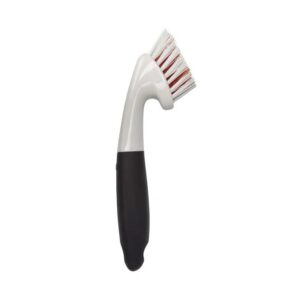
Grout lines collect dirt because they sit slightly below the tile surface and often have a more porous texture than ceramic or porcelain tile. A dedicated grout brush concentrates stiff bristles into the narrow joint, making it more effective than a broad household scrub brush.
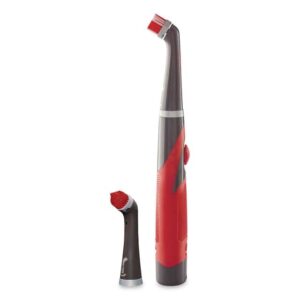
Manual grout brushes are inexpensive and easy to control. They work well for routine bathroom and kitchen cleaning and can also reach around fixtures, shower tracks and corners.
Battery-powered scrubbers reduce repetitive hand movement by oscillating or rotating the brush head. They can be particularly useful when several grout lines need to be cleaned regularly, although they are still cleaning tools rather than grout removal tools.
Grouting Sponges and Final Cleanup
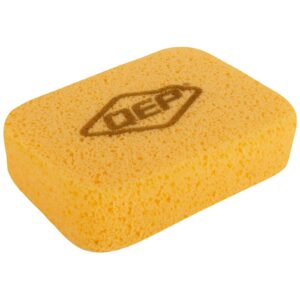
A grouting sponge is used during installation to remove excess grout from the face of the tile while shaping and cleaning the joints. Dedicated grout sponges generally hold more water than standard household sponges and are designed to survive repeated rinsing during the installation process.
Rounded sponge corners are useful because sharp edges can dig into fresh grout and pull material out of the joint. Larger sponges can also cover more tile surface per pass, which is helpful on floors and larger shower walls.
Important Features to Compare
- Tool type: choose between a float, saw, scraper, removal attachment, brush or sponge based on the job.
- Purpose: application, removal and cleaning require different working surfaces and tool designs.
- Power source: manual tools offer simplicity and control, while electric or battery-powered tools can save time.
- Grout-joint width: removal blades and scrapers should fit the joint without contacting the tile edges unnecessarily.
- Replaceable parts: carbide blades, brush heads and bits eventually wear and should be easy to replace when the tool is used regularly.
- Ergonomics: comfortable handles are valuable during repetitive spreading, scraping and scrubbing.
Grout Tools for DIY and Professional Tile Work
Homeowners may only need a grout float, sponge and one simple removal or cleaning tool. Professional tile installers and maintenance teams benefit more from durable tools with replaceable components, larger working surfaces and powered options for repetitive jobs.
The right choice is not necessarily the most expensive tool. A basic hand saw can be ideal for replacing one damaged tile, while a powered grout removal system makes more sense when an entire bathroom needs to be regrouted.
Find the Best Grout Tool for Your Project
Start by deciding whether you are applying new grout, removing existing grout or cleaning installed joints. Use the filters above to compare grout floats, grout saws, scrapers, removal tools, brushes and sponges by purpose and power source.
Each product page includes specifications, advantages, limitations and an editorial assessment so you can compare tools based on the actual job rather than choosing only by brand or price.