How Roman Hypocausts Shaped Modern Home Heating
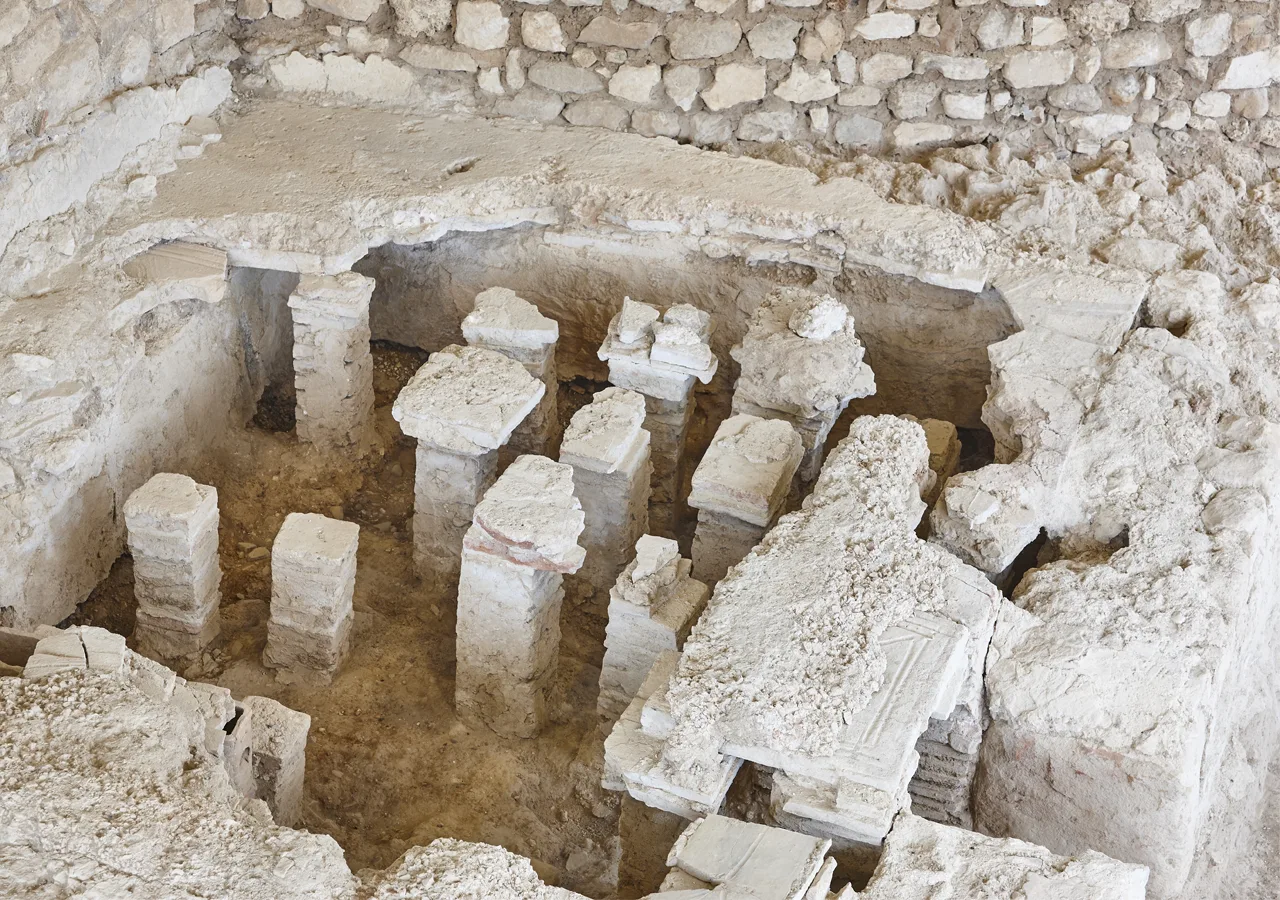
It’s remarkable that, as early as Roman times, public baths and the homes of the wealthy enjoyed the comfort of central heating, thanks to a system known as a hypocaust. Here’s how it worked: a furnace called a praefurnium burned wood or coal to generate hot air. The heated air and smoke flowed through channels in the walls and through empty spaces beneath raised floors supported by small pillars. The result was a cozy environment in home interiors and in public baths. The system is a true testament to the ingenuity of ancient Roman engineering.
Centralized Heat Production
The hypocaust system introduced the concept of generating heat from a centralized source, an idea that remains prevalent today. Instead of complex underfloor systems, many homes use boilers or furnaces that heat water or air in one location and distribute that heat throughout the building. Boilers heat water and circulate it through radiators, baseboards, or underfloor heating systems. Furnaces, meanwhile, heat air that is pushed through ductwork.
Different Heat Sources
One of the main advances from the hypocaust system to modern heating systems is the change in heat source. In the case of boilers, heat is produced by combustion (gas, oil, or biomass) or by electricity. Heat is transferred by infrared radiation. That is, warm surfaces such as floors, walls, and radiators emit infrared radiation that travels in straight lines and directly warms objects in the home and people. The effect is a bit like lying in the sun or (in the case of a heated floor) like lying on warm sand. Convective heat is also at play. When air comes in contact with warm surfaces, it becomes less dense and rises. Cool air then replaces it, creating circulation. Furnace heating primarily occurs through convection, though radiation also contributes a lower level of energy.
Modern Conveniences
One of the biggest advances in modern heating is the relatively easy maintenance of boilers and furnaces. The hypocaust required frequent cleaning of its various components. For instance, the furnace had to be cleared of ash and soot, the underfloor spaces and wall flues also had to be cleared of soot and debris, and the structural supports were vulnerable to cracking. Floor slabs were also frequently replaced due to thermal-stress-induced cracking. There were numerous risks associated with operating the hypocaust system, including structural collapse, fire hazards, and uneven heating. Boilers, on the other hand, only require an annual service and occasional repairs. Components that sometimes require maintenance include the heat exchanger, burner, pumps, valves, expansion vessels, and flue and condensate drains. Furnaces require monthly filter changes and annual professional inspections, as well as occasional dust cleaning and motor repair. Parts needing maintenance include the heat exchanger, blower motor and fan, burners, ductwork, and safety sensors.
How the Science of the Hypocaust Was Almost Lost
Although hypocausts were labor-intensive, they established the pillars of central heating that keep us warm today. The idea that has stood the test of time is to separate heat generation from occupied spaces, using building structures to store and radiate heat uniformly. After the fall of the Roman Empire and in medieval times, though, this system was replaced in Europe by fireplaces and stoves in various rooms in homes. Notably, the science underlying hypocausts was revived during the Industrial Revolution, with the development of hot-water and steam heating systems. Today, modern heating systems represent a significant improvement on the hypocaust by relying on water or air as controlled heat-transfer media, combined with automation, improved materials, and more precise temperature regulation.
Underfloor Heating Continues the Hypocaust’s Legacy
Modern underfloor heating is the closest modern system in nature and operation to the ancient hypocaust. However, contemporary systems have replaced hot air and flue gases with warm water or electric current, delivered through networks of pipes or heating elements embedded in floor structures. They operate at relatively low temperatures, allowing floors to serve as large radiant surfaces that provide direct warmth for occupants while minimizing air movement and heat loss. Flooring is typically fitted with insulation layers beneath pipes, which prevent heat from radiating downward into the ground and ensure that it flows upward into living spaces rather than remaining near the floor.
When tracing the evolution of heating from Roman hypocausts to modern boilers, furnaces, and underfloor heating, it is clear that the main idea behind central heating has hardly changed. The most significant difference between the old and new systems is the technology used to deliver heat. Today, labor-intensive maintenance has been replaced by efficient automated systems that are easier and more cost-effective while delivering high-quality heat.