How to Choose a Floor Repair Kit
The right floor repair kit depends on three things: the flooring material, the depth of the damage and how precisely the repair needs to match the surrounding surface. A marker that works well on a light hardwood scratch will not rebuild a chipped laminate edge, and a hard-wax kit designed for wood may not be the best solution for patterned vinyl or ceramic tile.
Before selecting a product, identify whether the damage is mainly a color problem or whether material is actually missing. Surface scratches and scuffs may only need a touch-up marker, while chips, dents, cracks and gouges generally require wax, putty, filler or epoxy to rebuild the damaged area.
Hardwood Floor Repair Kits
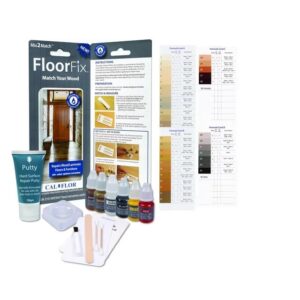
Hardwood floors can develop scratches, dents and small chips from furniture movement, dropped objects, pets and normal wear. Repair systems for wood floors range from simple color markers to professional hard-wax kits with heated applicators and multiple shades.
For shallow scratches where the finish has been discolored but the wood is largely intact, a touch-up marker may be enough to reduce contrast. Deeper damage usually requires a material that fills the defect before color and grain are restored.
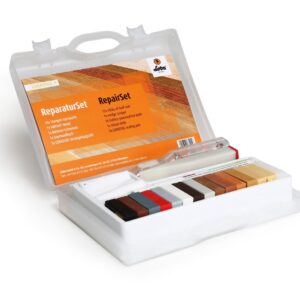
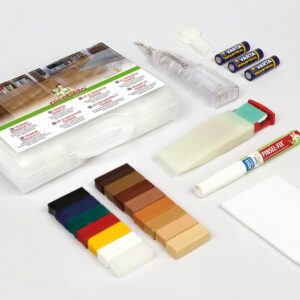
Hard-wax systems are popular for more substantial cosmetic repairs because different wax colors can be blended and melted into the damaged area. After cooling, the excess can be leveled with the surrounding floor and grain details can be recreated with markers or finishing tools.
Laminate Floor Repair Kits
Laminate floors are built around a printed decorative layer, so matching both color and pattern can be more challenging than repairing solid wood. A damaged spot may expose a much lighter or darker core beneath the decorative surface, making even a small chip visually obvious.
Mixable putty and wax systems can be useful because the repair color can be adjusted instead of relying on one fixed shade. Some kits also include graining or pattern tools that help recreate the visual lines found in wood-look laminate.
A cosmetic kit is appropriate when the plank remains structurally sound. If the locking edge is broken, the board has swollen from water or the plank moves underfoot, replacement is generally a better solution than filling the visible defect.
Vinyl and LVP Repair Kits
Luxury vinyl plank and other resilient floors can suffer scratches, gouges, cuts and small chips. Because these floors often use printed wood or stone patterns, a repair kit should allow enough color flexibility to blend the patch into the wear layer.
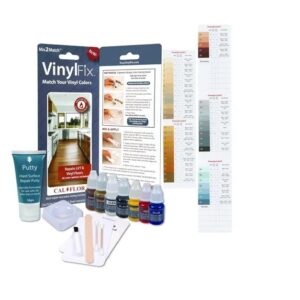
Products designed specifically for vinyl and LVT may use acrylic putty or similar fillers combined with pigments. These systems can rebuild a small missing area and then add color or pattern detail over the repair.
Repair kits are most useful when the plank is flat, secure and only locally damaged. Open seams, curling edges, broken click joints and moisture problems underneath the floor require a different repair approach.
Tile and Stone Repair Kits
A chipped ceramic or porcelain tile can be difficult to replace when spare tiles are unavailable or the original product has been discontinued. Tile and stone repair kits provide an alternative for small chips, deep scratches and localized cracks when the tile itself remains firmly bonded.
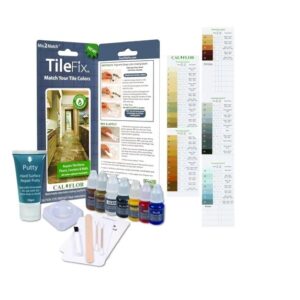
These kits often use a hard filler or acrylic-based putty that can be mixed with pigments to match the tile. On stone-look surfaces, color variation or marbling can be recreated after the repair is filled and leveled.
Surface repair products should not be used to hide an underlying installation problem. A tile that is hollow, loose or moving should be repaired or reset before the cosmetic damage is addressed.
Wax, Putty, Epoxy or Marker?
Hard Wax Repair Kits
Hard wax is useful for scratches, chips, dents and small gouges on wood and laminate surfaces. The wax is normally heated, placed into the damaged area and leveled after cooling. Multiple colors can be mixed for a more accurate match.
Putty and Filler Repair Kits
Putty and filler systems are useful when the defect needs to be rebuilt but a heated wax application is not desirable. Mixable fillers are common in dedicated hardwood, laminate, vinyl and tile repair systems.
Epoxy Repair Materials
Epoxy putty is useful for deeper defects because it can fill missing material and cure into a more substantial repair. It is usually more appropriate for chips and gouges than for very light surface scratches.
Floor Repair Markers
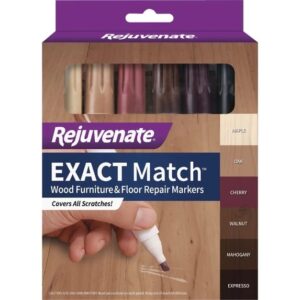
Markers are the quickest option for light scratches and scuffs. They restore color but do not replace missing material, so they should be reserved for defects where the surface remains physically intact.
Color Matching Matters
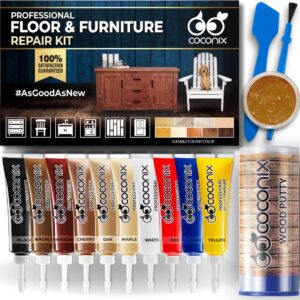
The success of a cosmetic repair often depends more on color matching than on the size of the defect. Hardwood stains, laminate prints and vinyl patterns may combine several tones in one plank, which is why professional repair kits often provide multiple colors that can be blended.
When working with a mixable system, starting slightly lighter and gradually adding darker pigment is usually easier to control than beginning with a color that is too dark. Grain or pattern details can then be added after the filler or wax has been leveled.
When Should a Floor Be Replaced Instead of Repaired?
Repair kits are intended for localized cosmetic damage. They are not a substitute for correcting structural, installation or moisture-related problems.
Planks or tiles may need replacement when they are badly cracked through their thickness, swollen from moisture, lifting from the substrate, separating at the locking system or damaged across a large area. Repairing only the visible surface in those situations can hide the symptom without fixing the underlying problem.
Important Features to Compare
- Floor compatibility: check whether the product is intended for hardwood, laminate, vinyl, LVP, tile or stone.
- Repair type: light scratches require a different product from dents, cracks, chips and gouges.
- Repair material: wax, filler, epoxy and markers each have different strengths and application methods.
- Color range: more colors and mixable pigments provide greater flexibility on patterned floors.
- Included tools: professional kits may include heated applicators, scrapers, leveling tools, grain markers and sealing products.
- Repair frequency: a large professional kit makes more sense for repeated work than for a single household scratch.
DIY vs Professional Floor Repair Kits
Simple consumer kits focus on ease of use and usually contain a smaller number of colors and tools. They can be ideal for common household damage where the goal is to make scratches or chips less noticeable.
Professional repair systems typically include a larger color library, heated hard-wax tools, dedicated leveling equipment and grain-detailing accessories. They cost more, but they are designed for technicians who encounter many different floors and finishes.
Find the Right Floor Repair Kit
Use the filters above to narrow the products by floor type, repair type and repair material. Start with the surface you are repairing, then select a system that matches the depth of the damage and the level of color matching required.
Each product page includes key specifications, advantages, limitations and an editorial assessment to help you decide whether a simple marker, mixable filler, epoxy product or professional hard-wax system is the better choice for your floor.