How to Choose the Right Robot Vacuum
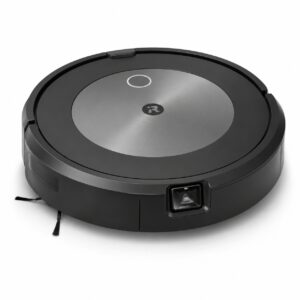
Robot vacuums differ significantly in cleaning performance, navigation, floor compatibility and the amount of maintenance they require. A basic model may be enough for routine dust and debris on hard floors, while homes with pets, carpets or several floor types often benefit from stronger cleaning systems, better brush designs and more advanced navigation.
The first decision is whether you need vacuuming only or a robot that can both vacuum and mop. After that, consider the types of flooring in your home, whether pet hair is a major concern, how accurately the robot needs to navigate around furniture and obstacles, and whether features such as automatic dust emptying are worth the additional cost.
Robot Vacuum vs Robot Vacuum and Mop
Vacuum-only robot cleaners focus entirely on collecting loose dirt, dust, crumbs and hair. They can be a practical choice for homes with carpet or for users who already have another method for washing hard floors.
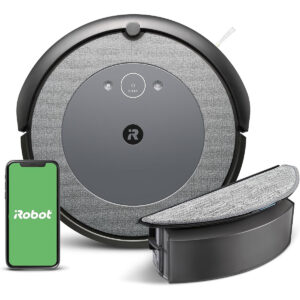
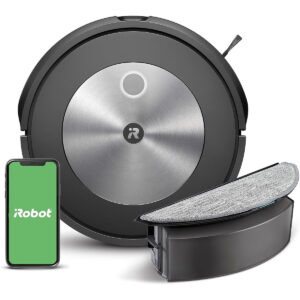
Robot vacuum and mop models combine vacuuming with some form of wet cleaning. Entry-level systems may simply drag a damp pad behind the robot, while more advanced models use vibrating pads, rotating mop discs or roller-style systems designed to provide more active cleaning.
If most of your home has hardwood, vinyl, laminate or tile, a combined vacuum-and-mop robot can reduce the amount of routine manual cleaning. Carpet-heavy homes may place greater importance on vacuuming performance, brush design and automatic mop lifting than on the mopping system itself.
Choosing a Robot Vacuum for Different Floor Types
Floor type is one of the most important considerations when comparing robot vacuums. A model that performs well on smooth hardwood may not necessarily provide the same results on thick carpet, while aggressive mopping or excess water may be undesirable on certain wood and laminate floors.
Robot Vacuums for Hardwood Floors
For hardwood floors, look for a robot that collects fine dust and debris effectively without using unnecessarily aggressive brushes or leaving excessive moisture behind. Soft or rubberized main brushes can help reduce hair tangling and are commonly used on modern premium models.
If the robot also mops, water control becomes particularly important. The goal should be controlled surface cleaning rather than saturating the floor. Homes with wood flooring may also benefit from models that allow mopping levels to be adjusted by room or disabled completely in selected areas.
Robot Vacuums for Carpet
Carpet places different demands on a robot vacuum. Strong airflow, an effective main brush and good surface detection can help the robot remove debris embedded deeper between carpet fibers.
Homes with both carpet and hard flooring should also consider how a vacuum-and-mop robot handles transitions. More advanced models can detect carpet and raise their mop pads automatically, allowing them to continue vacuuming without dragging a wet mop across the carpet.
High-pile and very thick carpets can still be challenging for some robots, particularly when the robot has limited ground clearance or struggles with transitions between surfaces.
Laminate, Vinyl and Tile Floors
Hard, relatively smooth surfaces are generally well suited to robotic cleaning because debris remains near the surface and is easy for the robot to collect. Vacuum-and-mop models can be particularly useful on tile and many vinyl floors because they combine loose-debris removal with routine surface wiping.
Laminate flooring requires more caution with moisture. Users should follow the flooring manufacturer's cleaning recommendations and avoid excessive water even when the robot offers adjustable mopping levels.
Rugs and Mixed Flooring
Many homes contain a combination of hardwood, tile, carpet and area rugs. In these situations, navigation and surface detection can be as important as raw cleaning power.
A well-designed robot should move reliably between compatible floor surfaces, detect carpet where necessary and allow users to create room-specific cleaning rules. Homes with lightweight rugs or long fringes may require additional setup because these can interfere with brushes or wheels on some models.
Robot Vacuums for Pet Hair
Pet hair creates several challenges for robot vacuums. Hair must first be collected from the floor, then transferred through the brush system without repeatedly wrapping around rollers and requiring manual removal.
Models designed with rubber rollers, anti-tangle brushes or specialized pet-hair systems can reduce maintenance, particularly in homes with dogs or cats that shed heavily. Strong carpet performance is also important when pet hair becomes embedded in rugs or carpet rather than remaining loose on hard flooring.
A self-emptying dock can be especially useful in homes with pets because the robot's onboard dustbin may fill more quickly when it collects large amounts of hair.
Self-Emptying Robot Vacuums
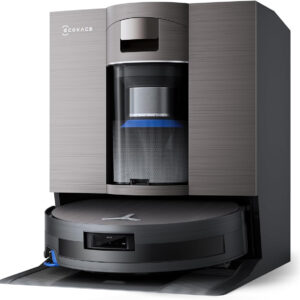
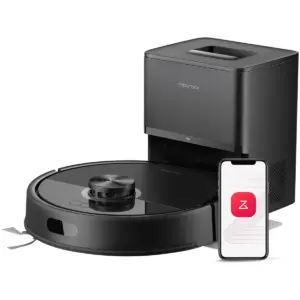
A standard robot vacuum must usually be emptied by hand after one or several cleaning cycles. Self-emptying models return to a compatible dock, where the contents of the robot's dustbin are automatically transferred into a larger bag or container.
This does not necessarily improve the robot's ability to clean the floor, but it can significantly reduce routine maintenance. It is particularly useful in larger homes, homes with pets and situations where the robot runs on a frequent schedule.
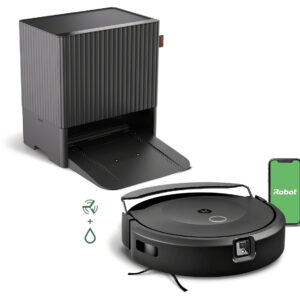
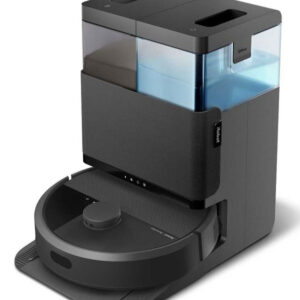
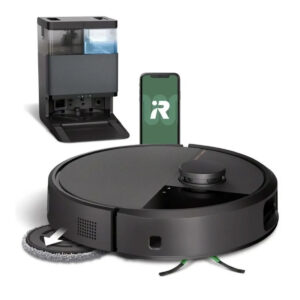
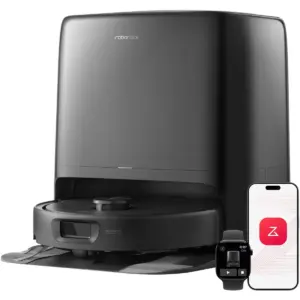
More advanced all-in-one docks can go further by washing mop pads, refilling clean water, collecting dirty water and drying the mop after cleaning. These systems offer greater automation but are larger, more expensive and require their own periodic maintenance.
Robot Vacuum Navigation Systems
Navigation determines how efficiently a robot understands and moves through a room. Basic robots may rely primarily on sensors and relatively simple movement patterns, while advanced models create maps that allow systematic room-by-room cleaning and customized cleaning schedules.
LiDAR Navigation
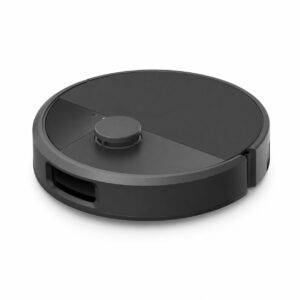
LiDAR-based robots use laser distance measurements to map rooms and locate walls, furniture and other major features. One advantage is that laser mapping does not depend heavily on visible light, allowing many LiDAR robots to navigate effectively in darker rooms.
Camera and Visual Navigation
Visual navigation systems use cameras and image processing to help determine the robot's position and recognize its surroundings. Cameras may also form part of more advanced obstacle-recognition systems.
Users who are concerned about connected cameras inside the home should review each manufacturer's privacy features, data policies and camera controls before choosing a model.
Hybrid Navigation
Some premium robots combine LiDAR, cameras, structured light or other sensors. The goal is to combine accurate room mapping with better recognition of smaller objects that a basic mapping system might not identify.
Obstacle Avoidance and Everyday Navigation
Mapping and obstacle avoidance are related but not identical. A robot may understand the layout of a room while still having difficulty recognizing small objects such as cables, toys, shoes or pet-related obstacles on the floor.
Advanced obstacle-avoidance systems attempt to identify and navigate around these objects. Performance varies between models, so a robot advertised as having obstacle avoidance should not automatically be expected to recognize every object in every lighting condition.
Robot Vacuum Mop Systems
Mopping systems have become one of the main differences between modern robot vacuums. Basic models use a passive mop pad, while more advanced systems actively scrub the floor.
Flat Mop Pads
A flat pad is the simplest system. It is suitable for light routine wiping but generally provides less mechanical scrubbing than more advanced designs.
Vibrating or Sonic Mop Pads
These systems move the mop pad rapidly while the robot travels across the floor. The additional movement can help loosen dried surface dirt compared with a completely passive pad.
Dual Spinning Mop Pads
Two rotating mop pads provide continuous mechanical movement against the floor and are common on many premium vacuum-and-mop robots. Some models can automatically raise the pads when carpet is detected.
Roller Mop Systems
Roller-style systems use a rotating cleaning roller rather than conventional flat or circular pads. Their ability to continually clean or wet the roller can provide a different approach to floor washing, although the technology is not yet as common across the market.
What Features Matter Most in a Robot Vacuum?
There is no single specification that determines which robot vacuum is best. Suction figures can be useful when comparing models within the same product family, but cleaning performance also depends on brush design, airflow, floor contact, navigation and software.
For most buyers, the most useful comparison points are floor compatibility, vacuum-only versus vacuum-and-mop operation, carpet performance, pet-hair handling, navigation, obstacle avoidance and dock automation.
Maintenance should also be considered. Brushes need periodic cleaning, filters and dust bags eventually require replacement, sensors must remain clean and advanced mopping docks need water tanks and wash trays maintained. A more automated robot can reduce everyday work, but it does not eliminate maintenance completely.
Compare Robot Vacuums by How You Clean
The best choice depends on the home rather than simply choosing the model with the longest feature list. Hardwood-focused households may prioritize controlled mopping and gentle floor contact, carpet-heavy homes may value strong vacuuming and brush performance, while pet owners may benefit most from anti-tangle rollers and automatic dust emptying.
Use the filters above to compare robot vacuums by cleaning function, floor type, pet-hair suitability, navigation and other important features. As the category expands, our dedicated buying guides will also make it easier to compare models for specific floors and cleaning needs.
1. Are robot vacuums worth it?
Robot vacuums can be worthwhile for routine maintenance because they clean automatically and can reduce how often floors need to be vacuumed manually. They are most useful when used frequently rather than as a complete replacement for occasional deep cleaning.
2. Do robot vacuums work on carpet?
Yes, many robot vacuums can clean low- and medium-pile carpet. Performance depends on suction, brush design, navigation and the carpet itself. Thick or high-pile carpet may be more difficult for some models.
3. Can robot vacuums clean hardwood floors?
Most robot vacuums are suitable for sealed hardwood floors. Vacuum-and-mop models should use controlled amounts of water, and users should follow the flooring manufacturer's recommendations for wet cleaning.
4. Are robot vacuums good for pet hair?
Some models are particularly well suited to pet hair because they combine strong pickup with rubber or anti-tangle brush systems. Self-emptying docks can also reduce how often the onboard dustbin needs to be emptied in homes with shedding pets.
5. Is a robot vacuum and mop better than a vacuum-only robot?
It depends on the floor types in the home. Vacuum-and-mop models are attractive for hard flooring, while a vacuum-only robot may be sufficient for carpet-heavy homes or users who already mop separately.
6. What is a self-emptying robot vacuum?
A self-emptying robot automatically transfers debris from its onboard dustbin into a larger container or bag in the charging dock. This allows the robot to run for longer periods without the user manually emptying it after every cleaning cycle.